Physical Address
Austin, TX, USA
Physical Address
Austin, TX, USA

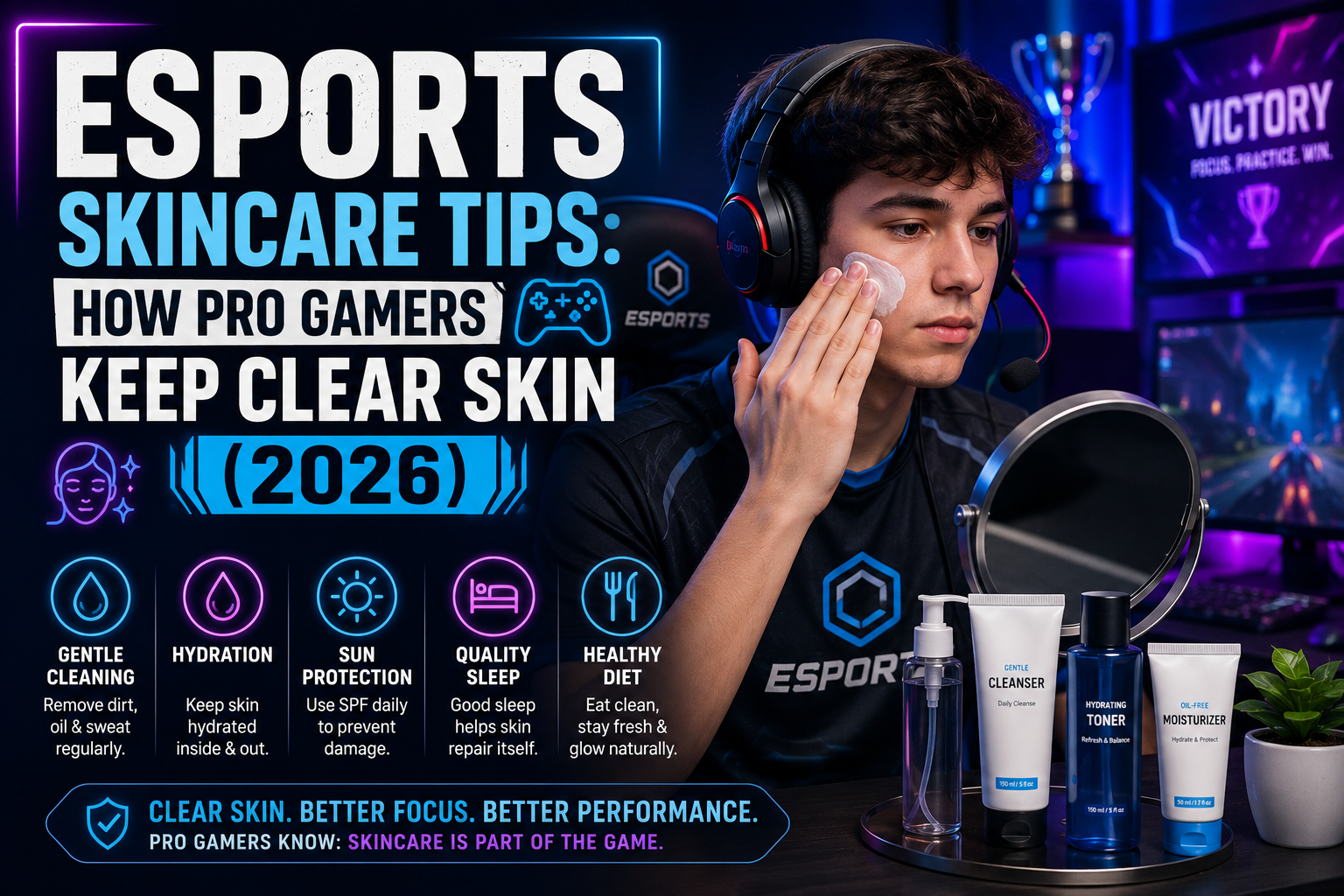
The glare of stage lights for ten minutes every day, staring at the screen up to 3 a.m. in a competitive grind, and eating the energy drink and noodles in in between matches — that’s the reality of the sport of competitive gaming that gamers never experience. While everyone watches the slugs or the clutch play, and the trophy lifts there is little discussion about the damage that all the display time, anxiety and a lack of sleep can do to the skin of a player. Tips for esports competition skin care have become the most sought-after topics for streamers, gamers and esports teams that have finally figured out that healthy skin isn’t just an issue of vanity it’s a problem of performance.
This guide will explain what happens to your skin when you play competitively, and the reasons why conventional skincare advice typically does not work for gamers, and what can be done when you’re playing for 12 hours per day and traveling to tournaments and enduring the unique pressures of intense competition. No matter if you’re an Valorant player who is chasing Radiant or an LCS League of Legends pro on an LCS roster and a writer working all night long This guideline is designed for your specific needs not a typical skincare routine derived from a magazine about beauty.
The majority of skincare advice is designed for people who have routine 9-to-5 hours with regular sleep patterns and limited exposure to screens. The gamers who compete live a totally different way of life, and this life style has specific issues that the standard advice doesn’t solve.
Practice blocks that are long mean that players are seated in front of bright screens for long periods of time without breaks. The exposure to blue-colored light though not scientifically proven to cause damage to skin cells in the same way UV Rays can and is linked to disturbed sleep cycles and poor sleep is one of the most significant causes of skin breakouts, dullness and puffy under-eyes. Additionally headsets that are pressed against the jaws and ears during extended sessions hold sweat and heat, which creates the ideal conditions for irritation and clogged pores particularly around the temples and cheeks.
There’s also stress. The tension of a tournament, the anxiety that comes with it along with the pressures of putting on a show in the midst of thousands of people cause cortisol levels to rise. The increased cortisol level increases production of oils, this is the reason athletes who compete experience abrupt breakouts prior to an event even if their skin is calm for months. In addition, poor hydration habits (energy beverages and caffeine in place of water) and inconsistent meal timing and traveling across time zones to attend LAN competitions and you can see that esports players require an individualized approach instead of the same-sized beauty routine for everyone.
One aspect that merits particular attention is the combination screens and tension. It’s not passive as people think. People clench their jaws, raise their eyebrows during long sessions, and frequently sweat under hoodies and gaming headsets when playing tournaments. The sweat, along with oil and friction of the padding on headsets is a typical reason for “gamer acne” — breakouts that are concentrated around the ears or jawline which is where the equipment comes into contact.
The most effective esports competition skin techniques aren’t complicated, multi-step procedures which take 30 minutes. Professional players do not have that much duration between scrims VOD review, or team meeting. What they need is a simple, regular process that could be completed in just five minutes both at night and in the morning, without needing a large cabinet of equipment.
Begin with an easy cleanser that eliminates oils and sweat, without stripping skin. The harsh, foaming cleanser may appear to be “deep cleaning,” but they can cause the skin to produce more oil, which can make breakouts more severe as time passes. A moisturizing, low-pH cleanser is much better suited to those who deal daily with sweat and friction from headsets.
In the aftermath of cleansing, proper hydration should be a priority. People who play for all day in air-conditioned gaming rooms or arenas frequently experience dehydrated skin, without even realizing that they are experiencing it, as AC systems remove moisture from the air. A gentle, alcohol-free cleanser coupled with a hyaluronic Acid serum aids in retaining water, which helps reduce the look of lines caused by staring at screens. It also helps to reduce irritation caused by stress.
The importance of moisturizers is not to skip them regardless of whether you have oily skin. The decision to skip moisturizers because your the skin feels oily is among the most frequent mistakes made by youngsters competing in sports and, in the majority of cases, results in skin to produce more oil to make up for. A moisturizer that is gel-based and oil-free maintains skin’s balance and does not add an extra weight under headphones.
Sunscreens are more important than the majority of gamers believe, especially when you work indoors for the majority of the time. Most gaming areas are close to windows and UVA Rays travel through the glass and cause premature wrinkles and dark spots that can develop over many years of exposure. A daily SPF of 30 or greater, preferably early in the morning, shields against this damage, which many players don’t realize until a long time into their careers.
While the pre-match skin care routine gets much focus, the nighttime recovery phase is actually when the most significant repair process takes place. The skin is the most active in its recovery when it’s asleep this is the reason those who haven’t had enough sleep often appear tired and experience breakouts more often than players who have a consistent schedule of sleep. A routine at night that incorporates an appropriate cleanse to wash away the day’s grime and sweat and followed by a more hydrating moisturizer or a nighttime repair product, offers skin the best chance of repairing ahead of the next day’s demands.
It is during this time that athletes with healthy skin are prone to flashes of flare-ups that are sudden. It is well-documented that this pattern is that is attributed to cortisol. knowing it can help players prepare instead of panicking when breakouts occur within two days of an event of significance.
The tendency for many athletes is to treat breakouts too much before competition, by applying numerous aggressive spot treatments or by rubbing the skin with abrasiveness. This usually makes the situation worse because the skin is more red and irritated when under the pressure of the stage lighting and close-ups of the camera. The best option is to choose a targeted treatment using a known ingredient like benzoyl Peroxide or salicylic acid. Apply only sparingly, in conjunction with soothing ingredients such as niacinamide and centella asiatica for reducing inflammation without further irritating your skin’s barrier.
The amount of sleep and water consumed throughout the 48 hours leading up to an event also contribute to a noticeable improvement. Athletes who are able to get 6 to 7 hours of sleep per night and drink plenty of water during the days preceding the event are more likely to experience less stressed skin than players who pull long nights of practice until the last possible minute.
Creators of content and streamers are faced with the same challenges as tournament players, as they’re “competition” is often a lengthy stream of eight to 12 hours rather than an extremely short, high-stakes game. For this category the importance of comfort and safety is more than quick, pre-match fixes.
Light glasses with blue lenses although designed to help with eye strain, can also decrease the time that people have to strain or squint their face muscles. This, over the course of months, will reduce the appearance of wrinkles on the eye area. By taking short breaks throughout the day to get away from your screen even for a few minutes will allow facial muscles to ease tension and relax. which causes tension-related wrinkles on the forehead and jaw.
It is a frequently overlooked component to the piece. Cleaning the headset’s earcups and the padding on the face regularly or twice per week will eliminate the buildup of oil and bacterial matter that could be reapplied to skin each and every time. This one simple habit can solve many “gamer acne” cases that skincare products by themselves can’t cure as the root of irritation is external, not internal.
Different gaming roles for competitive play have different skin requirements depending on the time of day, travel frequency and exposure on camera. The table below outlines the way that routines can change based on the specific circumstances of a player.
| Player Type | Main Skin Challenge | Priority Focus | Recommended Routine Length |
|---|---|---|---|
| Tournament Pro (LAN travel) | Time zone shifts, stage lighting, stress breakouts | Hydration, calming ingredients, SPF | Under 5 minutes, twice daily |
| Full-Time Streamer | Lang screen sessions with headset friction | Eye hygiene, oil control Eye treatment | 5-7 minutes, twice daily |
| Ranked Grinder / Amateur | Irregular sleep, high stress, poor diet | Consistency, gentle cleansing water retention | Under 5 minutes, twice daily |
| Content Creator (on-camera) | Close-ups of the camera, makeup or lighting exposure | Barrier repair, SPF, gentle exfoliation | 7-10 minutes, twice daily |
This illustrates that even though the basic principals remain the same: gentle cleansing, constant sun protection, hydration as well as stress reduction, focus is shifted depending on how much time players spend in front of the camera as opposed to working behind-the scenes.
The products for skincare cannot fully help with sleep issues and dehydration. It is also eating a diet based on the consumption of energy drinks as well as fast foods, but this is the exact life style that many athletes are caught in during their intense training sessions. Esports teams which have invested in nutritionists and sports psychologists in line with the practices of traditional teams of athletes, regularly say that athletes who improve the fundamentals of their game experience improvements in the appearance of skin, which is an added benefit along with better reactions and concentration.
The amount of water consumed is more important than many players are aware. Energy drinks and caffeine are diuretics, which means they draw water from the body, leaving skin looking dull and can accentuate the under-eye circles when you practice for long days. If you replace one of these drinks every day with water will dramatically improve the skin’s hydration in just few weeks.
Diet can also play a subtle but important role. Foods that are that are high in refined sugars and processed foods have been associated in numerous studies to an increase in inflammation and the severity of acne. It doesn’t mean players should completely overhaul their diet for a tournament however, small changes for example, such as choosing nuts over fruits over chips at the time of a scrim break could add up over the course of an entire season of competition.
A brief list of the habits that are frequently mentioned in interviews with players of esports who have clear, healthy skin include:
It’s important to realize that skin problems in competitive games are not simply a physical issue. Stress over performance as well as the pressure of live-streamed matches, and the loneliness that comes with long training regimens all result in stress showing in the skin before showing elsewhere. People and companies that view the skin as a cosmetic matter frequently overlook the larger picture that good skin health is often among the first symptoms of burnout.
This is one reason why some sports organizations have begun incorporating skin and stress checks as part of their overall health and wellness programs for players, along with monitoring sleep and mental health care. The sudden changes on the skin of a player especially stress-related breakouts, or visible dullness, could occasionally be a signal to talk about with the team’s support personnel, not simply something to cover with concealer prior to broadcast.
On the day of the match, simplicity prevails. The skin is not a good place to be loaded with new skin care products prior to getting on stage is among the most frequently made mistakes of younger competitors, as untested products can trigger unexpected irritation at the most inconvenient moment. It is best to follow a routine which has been tried and proved to work during the weeks before competitions, instead of trying some new product.
A gentle cleanse to get rid of the buildup from the night and a hydrating cream as well as a light moisturizer and SPF when there’s a possibility of being in close proximity to sunlight. This is a process that lasts less than five minutes and doesn’t hinder warm-up time. For those who wear any type of makeup, or even on-camera products to broadcast, washing the makeup thoroughly afterward is as crucial as the routine prior to the match as sleeping with broadcast makeup can be a quick path to blocked pores and breakouts next morning.
Tips for skincare in competitions are important more than many believe, not because clear skin is the best way to win matches however, the practices that support healthy skin, consistent sleeping, adequate nutrition, stress management and a healthy lifestyle, are the same practices that help improve focus and faster reaction times and more competitive careers. Skin issues during competitive gaming aren’t always unrelated to. They’re often linked to the specific demands of life such as long screen times as well as strain on the headset, tournament stress and the erratic routines that are associated when you are trying to rank yourself or preparing for an LAN event.
The positive aspect is that fixing this problem doesn’t require a huge expense or lengthy regimen. Simple, consistent steps that is based on gentle cleansing, adequate hydration, daily sunscreen, as well as some changes to your sleep habits and water consumption can result”Discover the esports competition skincare tips pro gamers use to fight stress breakouts, headset acne, and screen fatigue. Simple routines that actually fit a gaming schedule.”
What causes esports players to suffer more from acne than typical persons? Competitive gamers face many factors that cause breakouts more frequently. These include friction in the headset which traps sweat and oil on the skin, stress levels during games that increase cortisol levels and production of oil, inconsistent routines for sleep during training sessions, and lengthy days at a computer screen that disturb natural sleep patterns. All of this is a major issue, but when they are combined in a competition season and they can cause noticeable skin issues than a normal life style would.
What’s the quickest method to soothe an outbreak prior to a tournament? Avoid the temptation to treat the skin too much with several harsh products at the same time. Instead, apply a targeted treatment that contains salicylic acid or benzoyl-peroxide sparingly, and pair it with a soothing ingredient such as niacinamide, to lessen the redness and stress rest and hydration during the days leading up to the tournament. Excessive scrubbing or applying new products prior to competition usually causes breakouts to become worse and not less so.
Is blue-colored light emitted by gaming monitors actually harm the skin? Current research doesn’t provide evidence conclusive that blue light causes damage directly to skin cells, the way UV rays can. More important is indirect: exposure to blue light late at night can disrupt sleep cycles, and sleep deprivation is among the main triggers of dry skin, eye circles and a rise in breakouts among athletes who are competitive.
How can streamers safeguard their skin during their long broadcasts? The most effective practices include taking a few minutes every hour to relax muscles on the face and rehydrate them by cleaning the headset’s padding frequently to avoid the build-up of bacteria and avoiding touching the face during streaming and applying a light moisturizer that doesn’t feel heavy over long periods of time. Cleaning off any makeup on the camera thoroughly after streaming is essential to avoid clogged pores over the course of the night.
Do you think a basic skin care routine enough for those who play competitively Do they require higher-end items? For the vast majority of gamers it is a straightforward routine that includes a mild cleanser and hydrating cream, light moisturizer, and a daily SPF will meet the basic needs created by a lifestyle of gaming. Advanced treatments such as retinoids and chemical peels may be beneficial in the long run however, they’re not essential to manage the daily skin issues of competition. They could actually cause sensitivity to increase prior to a high-risk tournament.