Physical Address
Austin, TX, USA
Physical Address
Austin, TX, USA

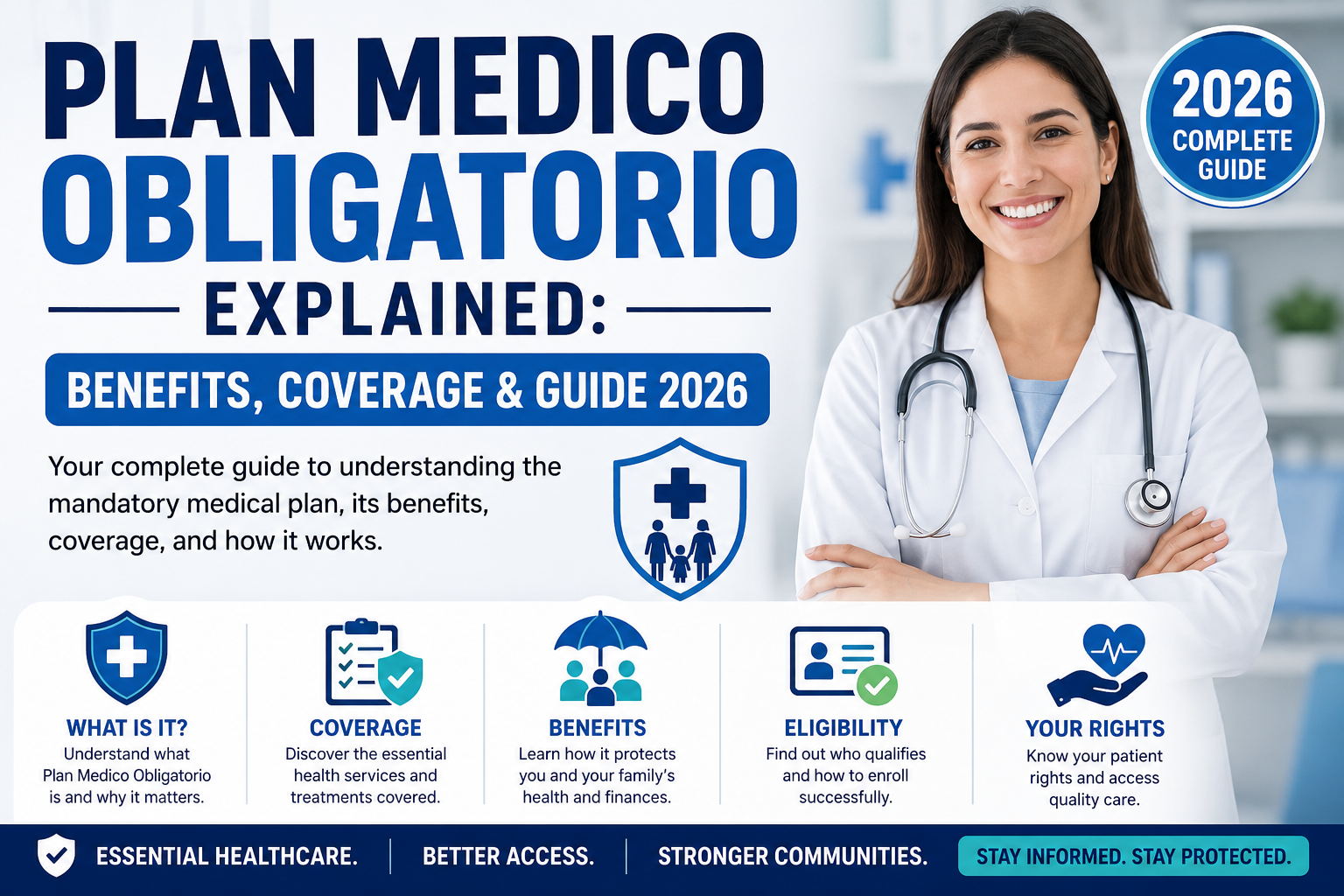
Knowing how to use the plan medico mandatory is crucial for anyone trying to navigate healthcare systems in which mandatory health insurance is the basis of access to healthcare. It doesn’t matter if you’re making your first enrollment or switching providers, or trying to comprehend the benefits and rights you have, knowing how this compulsory health insurance plan functions will allow you to make informed choices and avoid costly costs.
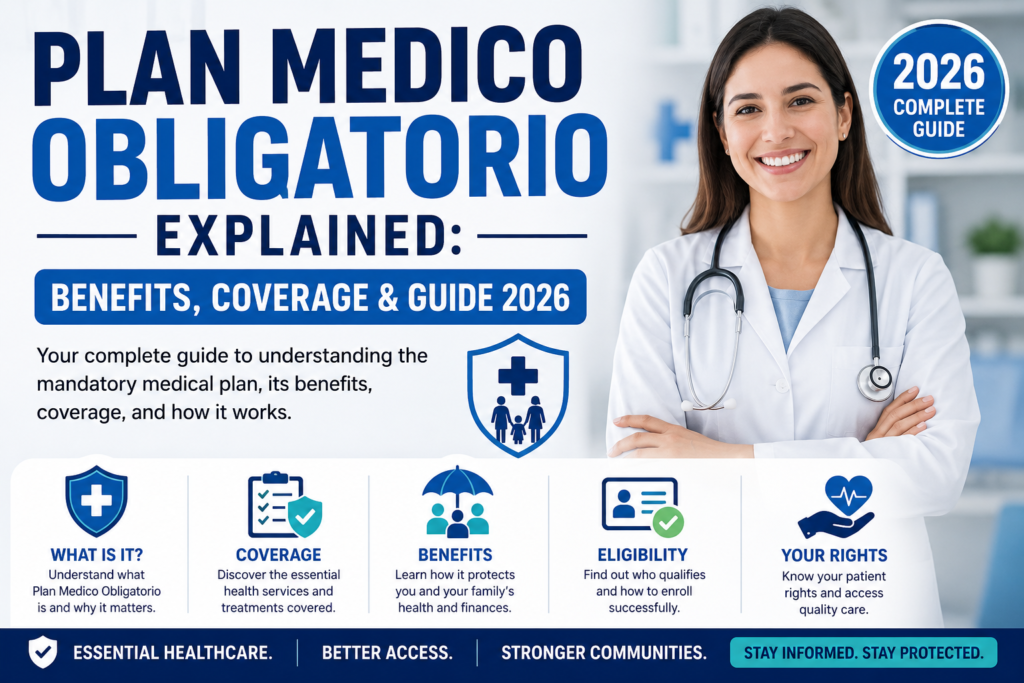
In 2026, regulations for healthcare and expectations regarding service alter, making it more essential than ever to know the types of services that are usually covered, who is eligible and how individuals can benefit from the advantages offered by the medico obligatorio plan. This guide will explain the basics in plain words, and provides practical advice for families, individuals as well as employers and everyone looking to purchase mandatory health insurance.
Plan medico obligatorio, frequently referred to as a mandatory medical plan, also known as a compulsory healthcare benefits plan, is an agreed upon set of health benefits that people who meet the criteria can avail in accordance with applicable regulations for healthcare and insurance policies.
The goal is to provide the accessibility to medical services regardless of income or personal situation. By setting minimum standards for coverage healthcare systems are seeking to improve the health of the public as well as promote preventive healthcare and eliminate obstacles to treatment.
While specific rules vary between insurers and jurisdictions but the overall concept is focused on ensuring that patients have access to medically required health care without relying on premium insurance or other optional products.
The cost of healthcare can become overwhelming when an unexpected injuries or illness occur. Health plans that are compulsory exist to minimize financial risk, while also ensuring access to essential services.
Beyond the protection of individuals they contribute to healthier communities by promoting preventive health such as vaccinations, routine screenings, as well as early diagnosis of chronic illnesses. They also aid in the distribution of healthcare resources more equally across the population.
Employers and government agencies standardized coverage ensures the sameness and ensures regular health obligations.
The concept behind mandatory health insurance plans goes beyond just the payment of medical expenses. The main goals are:
This makes mandatory medical insurance a crucial part of a number of healthcare systems across the globe.
Although the coverage details differ based on the local laws and insurance companies, many plans that are medico obligatorio have an array of health services.
Primary care consultations are often used as the first point of entry into the health system. Patients can receive regular evaluations and diagnoses of common ailments or referrals for specialists if required.
Health screenings such as vaccinations, wellness appointments and counseling that aims at identifying any potential issues before they turn into grave.
Medical emergency treatment is a different important element, which ensures patients receive immediate medical care when they are confronted with life-threatening or extreme medical issues.
Diagnostic services like tests in the laboratory imaging studies, as well as pathology assessments are commonly used to aid in the accuracy of diagnosis and treatment planning.
Prescription medicines are also covered, particularly if they are in approved formularies for the management of chronic diseases or acute medical conditions.
Surgery, hospitalization as well as rehab, maternity care and mental health care are frequently integrated to different levels based on the regulations that govern them.
| Healthcare Area | Typical Inclusion in a Plan Medico Obligatorio | Primary Purpose |
|---|---|---|
| Primary Care | Yes | General diagnosis and treatment routine |
| Preventive Services | Usually Included | Early detection and prevention of disease |
| Emergency Care | Yes | Treatment immediately for urgent issues |
| Hospital Care | Often Covered | Recovery and treatment in the hospital |
| Specialist Consultations | Frequently Available | Advanced medical assessment |
| Prescription Medicines | May Be Included | Management of medication |
| Maternity Services | Commonly Covered | Childbirth and prenatal care |
| Mental Health | Increasingly Included | Support for psychiatric and psychological issues |
Conditions for eligibility are determined by the framework for healthcare that governs. In many healthcare systems the residents, employees pensioners, dependents, or those who meet the requirements can be automatically enrolled or have to enroll through a provider that is approved.
Enrollment typically involves identification verification, evidence of eligibility, and the selection of a healthcare provider who is authorized or insurance administrator, if appropriate.
The need to keep your personal information up to date is crucial to ensure that coverage is not interrupted and ensure prompt gain access to the benefits.
One of the biggest strengths of compulsory medical plans is their focus on prevention instead of the treatment itself.
Regular health exams can detect hypertension and diabetes, cardiovascular diseases and certain cancers prior to symptoms get serious. Vaccination programs can reduce infection risk, and health education helps promote healthier lifestyles that reduce the cost of healthcare in the long run.
The benefits of preventive medicine go beyond individuals, but also relieves the burden on emergency and hospital departments.
Patients suffering from long-term illness typically benefit greatly from the comprehensive coverage that is mandatory.
Asthma hypertension, diabetes heart disease, arthritis, and asthma require constant monitoring and treatment. A well-structured medical plan will improve the quality of care by providing regular doctor visits, lab tests, and access to approved medicines.
This can lead to better results and fewer avoidable problems.
Healthcare delivery continues to embrace digital transformation. Many healthcare providers are now integrating online appointment scheduling electronic medical records secure patient portals and even telemedicine consultations.
These advances improve comfort and ease of use while facilitating access for those who live in rural areas or those who have mobility issues.
Remote prescription management and digital prescription monitoring tools are becoming more commonplace in the modern health system.
Even if medical coverage is mandatory, if it exists, patients should be aware of possible financial obligations.
Based on the framework that is in effect the specific service may require co-payments, deductibles or administrative costs, or limits on elective procedures. Certain medications or treatments might require prior authorization or adhering to established clinical guidelines.
Careful review of the benefit paperwork can help patients avoid unexpected costs and helps them anticipate costs for healthcare.
The best way to maximize benefits is often through an active involvement in the health system.
Check-ups for preventive health checks are recommended even if feeling well. Keep complete medical records and lists of medicines. Follow the doctor’s recommendations regarding vaccinations and screenings. Be aware of referral procedures prior to receiving specialized care.
The most important thing is to Ask questions whenever the details of coverage or billing information are unclear.
Despite the benefits, mandatory health plans can pose problems.
The demand for services may result in appointment delays. Administrative procedures might require documentation prior to approving special procedures. Rules for covering may differ between regions or providers, causing confusion for patients who move.
Knowledge and preparation will help you overcome these challenges and enhance the overall quality of healthcare.
A few people purchase additional insurance to extend benefits beyond the minimum amount required.
Additional policies can provide wider specialization networks as well as private hospitals accommodation and enhanced dental or eye services, coverage for international patients or shorter waiting periods for specific procedures.
The choice is based on your personal medical needs, financial situation family size, the requirements for travel.
Many people are misled into thinking that mandatory medical insurance covers all healthcare expenses without limiting. However, the coverage typically is focused on medically required treatments, while not covering cosmetic procedures or other non-essential procedures.
Another myth is that preventive healthcare is less effective than emergency treatment. In reality the early detection of illness often prevents serious illnesses and lowers the cost of healthcare in the long term.
Some assume that the enrollment process guarantees instant access to all specialists. Systems for referral and authorisation procedures could still be in place.
Healthcare systems are continually developing to enhance efficiency and improve outcomes for patients. Artificial intelligence-assisted diagnostics, expanded telehealth, integrated electronic records, personalized medicine, and predictive analytics are shaping how mandatory healthcare benefits may be delivered in the future.
A greater emphasis on preventive health and management of chronic illness will also be an important issue through 2026 or beyond.
Its plan medico obligatory is the cornerstone of healthcare accessibility by providing the foundation for essential medical services available to eligible patients. From preventive health and emergency medical treatment, to the management of chronic illness and hospitalization It helps to reduce costs while also encouraging healthier communities.
Being aware of your coverage, staying updated on eligibility requirements and making the most of preventive care can greatly enhance your experience in healthcare and your long-term health. While healthcare facilities continue to improve as they do, patients who are informed will be the best equipped to enjoy the benefits and benefits that compulsory medical insurance provides.
It typically covers essential health services like primary healthcare, emergency treatment and preventive services, hospitalization and medically required consultations, but the exact benefits may differ based on the jurisdiction.
In a lot of health systems, preventive services like vaccinations, screenings and routine checkups make up an essential part of the obligatory coverage.
Yes. Many people choose to purchase additional insurance in order to gain access to expanded benefits, greater provider networks, or other health services.
The majority of frameworks provide management for chronic illnesses through doctor visits and monitoring. They also provide accepted treatments. This is subject to the applicable regulations.
Keep up-to-date with your preventive appointments Know the the requirements for referrals, keep accurate medical records and check your benefits frequently to ensure you utilize all available services efficiently.