Physical Address
Austin, TX, USA
Physical Address
Austin, TX, USA

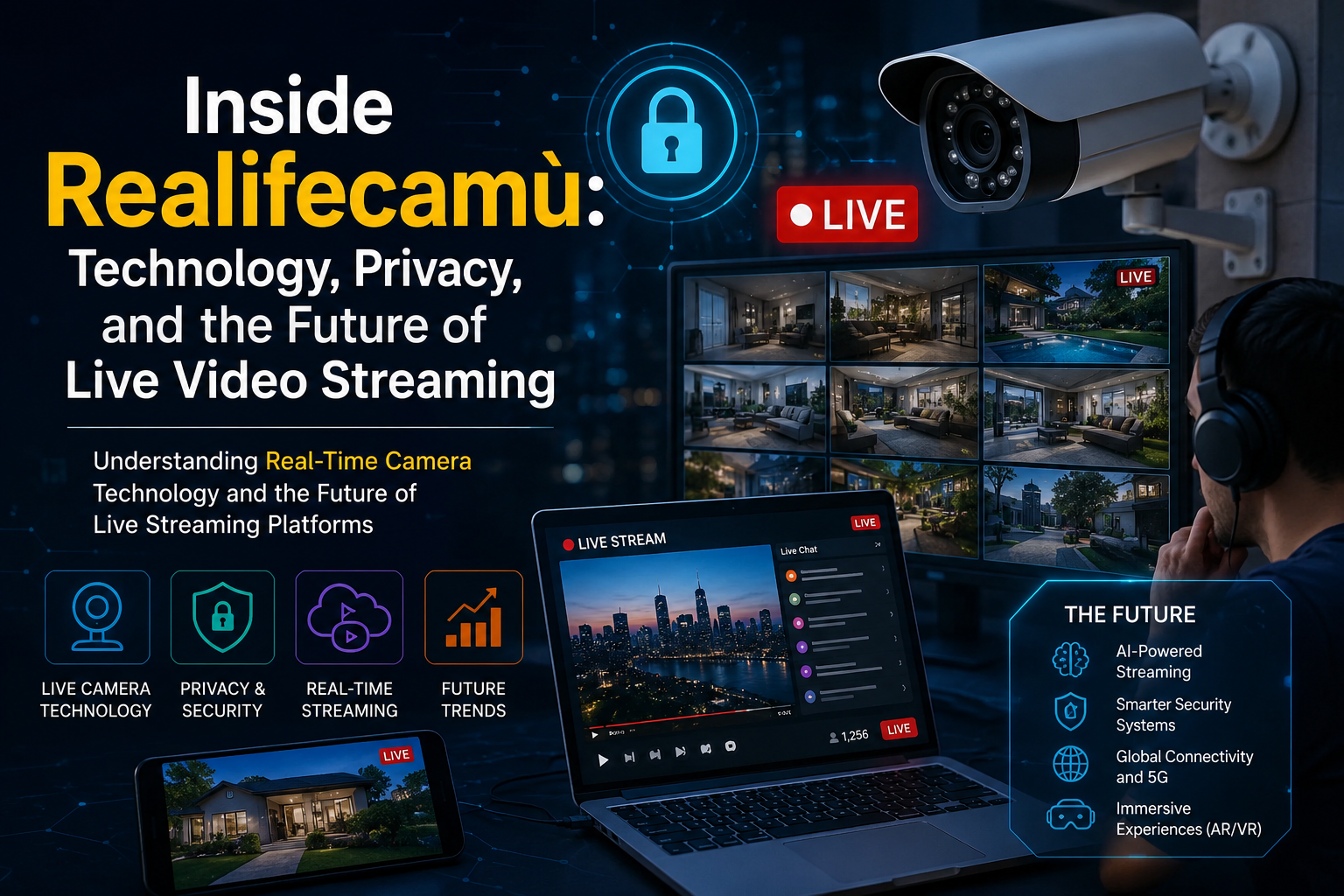
In the digital age live streaming has emerged as one of the best ways to communicate, connect and consume media in real-time. The word realifecamu is often used in discussions on continuous live streaming of cameras and real-time video broadcasting and reflects the increasing interest in the way that real-time live streaming and webcam-based platforms function in 2026.
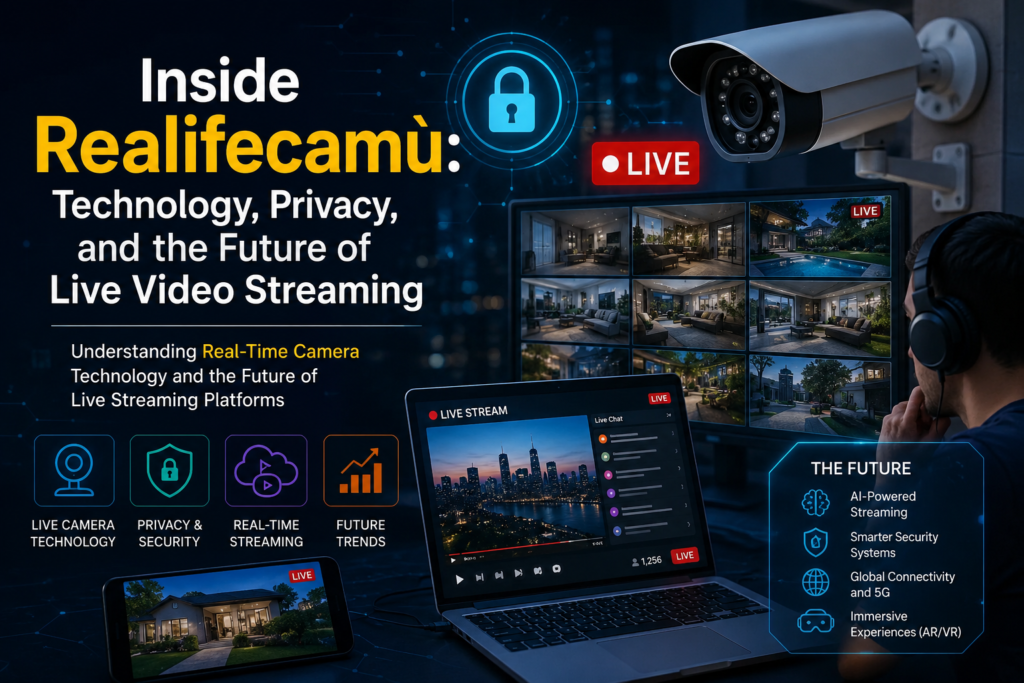
As the internet infrastructure gets better and viewers require more authentic, non-editing experiences, live streaming platforms have expanded beyond entertainment. From education and gaming to personal broadcasting and marketing for brands Real-time video platforms are transforming the way people communicate on the internet. But this shift poses important questions regarding privacy ethical considerations, data protection, ethics and a responsible approach to streaming.
This article focuses on the current world of live cam streaming platforms, their operation and what technology powers them, and what are the main distinctions between the major platforms. The article also discusses privacy concerns and offers practical advice for users in this increasingly digital and fast-growing space.
Live cam streaming platforms in real time are web-based services that permit users to stream video content immediately to a large audience via the internet. In contrast to recorded videos live streams are broadcast in real time, generating an impression of speed and authenticity.
These platforms utilize advanced video encoding techniques, cloud servers as well as the content delivery network (CDNs) to ensure smooth streaming for the globe. If it’s a streamer broadcasting live on Twitch or an individual hosting a live stream on YouTube the basic technology is the same: recording compressing, distributing, and streaming live video in real-time.
Users who are searching for terms such as Realifecamu are frequently looking to understand how the always-on cameras work or live feeds particularly in comparison to streaming platforms that are more mainstream.
Live streaming has seen a significant change in the past 10 years. What was once a requirement for professional equipment and broadcasting licenses now is available to any smartphone user.
Early webcams offered poor-quality or static feeds However, today’s systems provide high-quality video, real-time video chats, tools for monetization along with interactive capabilities. Platforms like Twitch, YouTube, and TikTok have made live streaming to a popular business.
This has resulted in completely new digital worlds, such as live commerce, influencer marketing virtual events, as well as educational streaming. The demand for live content is growing because people prefer authentic content over media that is heavily edited.
Live streaming might appear like a simple process on the surface however, it is based on a complicated technical pipeline:
The camera first captures audio and video data. The raw data is transformed into a digitally compressed format. The encoded stream then goes to a server over the internet, and is distributed by the CDN to users across the globe.
The reduction of latency is a key aspect of modern-day systems. Modern protocols such as WebRTC and Adaptive Bitrate Streaming make sure that users get seamless playback regardless of network conditions.
By 2026 AI-based tools for optimization are expected to be widely used. These tools instantly adjust video resolutions, eliminate background noise and improve the quality of videos in real time which makes live streaming more professional than they ever were before.
Below is a list of the top mainstream live streaming platforms as well as their most important features:
| Platform | Primary Use | Key Features | Monetization | Audience Type |
|---|---|---|---|---|
| Twitch | Gaming and entertainment | Live chat Emotes, subscriptions, and live chat | Subs, ads, donations | Gamers and communities |
| YouTube Live | General streaming | International reach VOD integration | Memberships, advertisements | Broad audience |
| TikTok Live | Interactive streaming in short-form | Gifts, mobile-first design | Creator gifts | Young audiences |
| Instagram Live | Social broadcasting | Integrated with Facebook profiles | Brand partnerships | Social media users |
Each platform focuses on different user experiences, yet they all depend on live video delivery and interactive with viewers as their main key selling points.
As live streaming increases privacy concerns are becoming more pressing. In contrast to recorded content, live video can’t be edited or completely controlled after broadcasting begins.
The biggest issue is accidental exposure. Streamers can accidentally share personal information, their surroundings or personal information. Furthermore, unauthorised recording or redistribution of live streams raises legal and ethical issues.
Platforms are now implementing strict moderation processes that include content filters, moderation systems, and reporting tools to safeguard users. However, it is also the responsibility with the creators who must take care of their streaming environment.
Knowing the risks is crucial for anyone who is interested in live-streaming camera technology or researching ideas related to live feeds such as those that are implied in realifecamu searches.
Live streaming isn’t only for entertainment. The applications of live streaming now cover a variety of sectors:
The education sector has been embracing live classrooms and webinars that allow students to engage with their teachers in real-time. Businesses utilize live streaming for launch of new products, customer engagement and virtual events. Healthcare professionals can also utilize secure streaming platforms to conduct remote consultations.
In the world of creativity musicians, artists and influencers use live streaming platforms to form communities and make money from their content directly. Live video’s versatility technology continues to increase its impact across all sectors of the world.
Artificial intelligence is now deeply involved in the live streaming systems. AI tools are now assisting with automated captions as well as live translations, tracking facial expressions as well as content moderating.
Some platforms utilize AI to recommend content in response to user preferences which improves the way content is discovered. Some platforms use machine learning to identify unsafe or inappropriate content immediately and ensure safer viewing environments.
The integration of live streamers has helped make it easier and more scalable than it has ever been it has also reduced technical barriers for creators from all over the world.
Security is an important aspect in today’s streaming. Secure encryption protocols safeguard the data while it is transmitted, and authentication systems block unauthorized access to live streams.
Creators are encouraged to utilize privacy settings, reduce exposure to background noise, and be aware of the platform’s policies prior to making their live stream. Responsible streaming also means taking care to protect audience data and avoid sharing sensitive data.
Live streaming is becoming more integrated into daily life digital responsibility is not an option anymore. It is vital.
Future live streamers are shifting towards interactive and immersive experiences. Technologies like AR, augmented reality (AR) as well as VR, virtual reality (VR) and 360-degree videos are being incorporated into popular platforms.
In the near future users will be able to enjoy fully interactive virtual worlds where live streaming is more like participation rather than just watching. With faster internet speeds and edge computing the latency will continue to diminish, making live interaction virtually immediate.
The need for genuine and unfiltered digital experiences guarantees that live streaming will continue to be the mainstay of online communications.
Live streaming has changed the way we interact, share experiences, and consume digital media. While search terms such as realifecamu indicate a desire for live video streams that are continuously streamed in real time however, the real-world reality of streaming today is in secure, structured as well as interactive services that place a high value on security and user interaction.
From education and gaming to entertainment and business live streaming continues to increase its reach across all sectors. But, along with this expansion comes a responsibility to be aware of the ethics of privacy, security, and digital security.
As technology develops live streaming will be even more engaging, intelligent and global-connected, defining the future of digital interaction.
Live streaming describes the practice of broadcasting audio and video content in real-time on the internet.
Yes, many platforms are safe, however users must always adhere to privacy settings and refrain from sharing personal data.
The most popular platforms are Twitch, YouTube Live, TikTok Live as well as Instagram Live.
Yes, in a lot of cases viewers are able to record streams, this is the reason why creators need to be cautious about the information they publish.
A steady connection of at least 5-10Mbps upload speed is advised to ensure smooth streaming.